Advisory Board Members
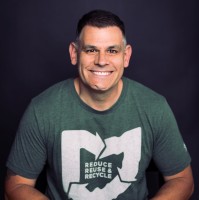
Jason Jurey
Jason Jurey is a former classroom educator and advocate for hands-on learning through hydroponics. With a background in biology and environmental science, Jason has spent his career with CropKing helping teachers bring real-world STEAgM experiences into the classroom. As Education Director, he develops curriculum, delivers training, and recommends classroom systems that connect students to sustainable food production and the science behind modern agriculture. Jason believes hydroponics is more than a growing method. He believes it’s a powerful tool to inspire curiosity, critical thinking, and a deeper understanding of how we feed our communities.
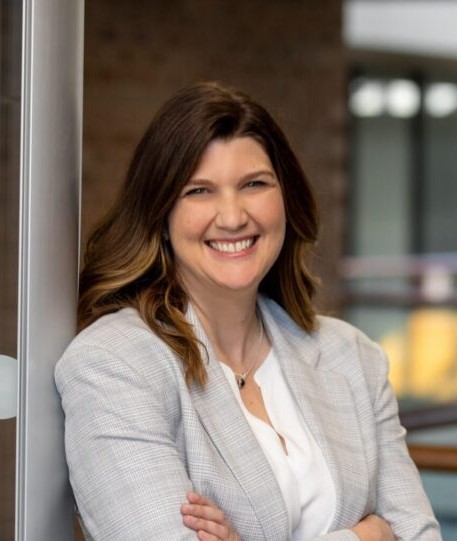
Kara McCormick, Ph.D.
Kara McCormick leads science and operations at South Dakota Biotech, where she drives statewide innovation through multi-sector partnerships, commercialization support, and workforce development. She manages South Dakota’s SBA FAST program, which has trained hundreds of entrepreneurs and helped secure federal funding for small business R&D. Kara also co-leads a GAFC award that supports outreach efforts to Tribal and rural communities, building inclusive pathways in regenerative agriculture, food security, and STEM education. With training in both biomedical and physical sciences, she brings experience in research communications, workforce development, and ecosystem building. She serves on South Dakota’s NSF EPSCoR REACH Committee, helping shape the state’s science and technology strategy.
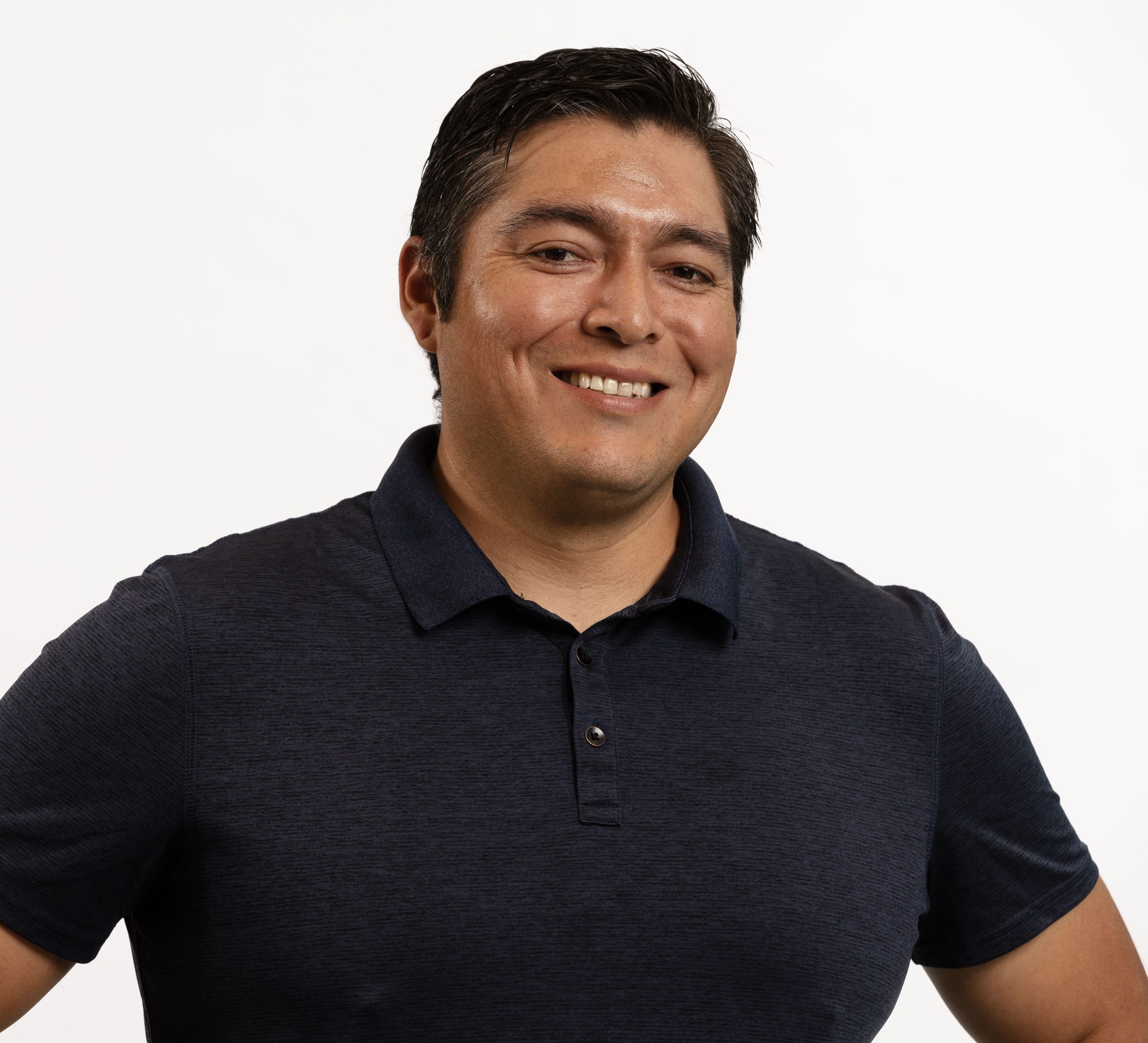
Bryn Fragua, Jemez Pueblo
Bryn Fragua uses his extensive background providing services to Tribal governments, Tribal associations, and Tribal communities in a variety of capacities. He brings valuable insight from Tribal community perspective and is knowledgeable on issues concerning environmental, energy, and social projects. Bryn takes pride in providing logical and efficient solutions with projects. Bryn has been recognized for his commitment to serving Tribal communities. From coordinating and leading health and fitness camps for Tribal community youth to assisting with the execution and management of FEMA projects on Tribal lands. Bryn is a member of the Pueblo of Jemez, and a proud father of two happy children. Bryn farms growing traditional crops from his community, encourages and practices cultural preservation. He also enjoys history with a focus in southwestern archaeology and anthropology. He is also an advocate for many outdoor hobbies such as hiking, fishing, and wilderness foraging.
TRI-CEA Team Members
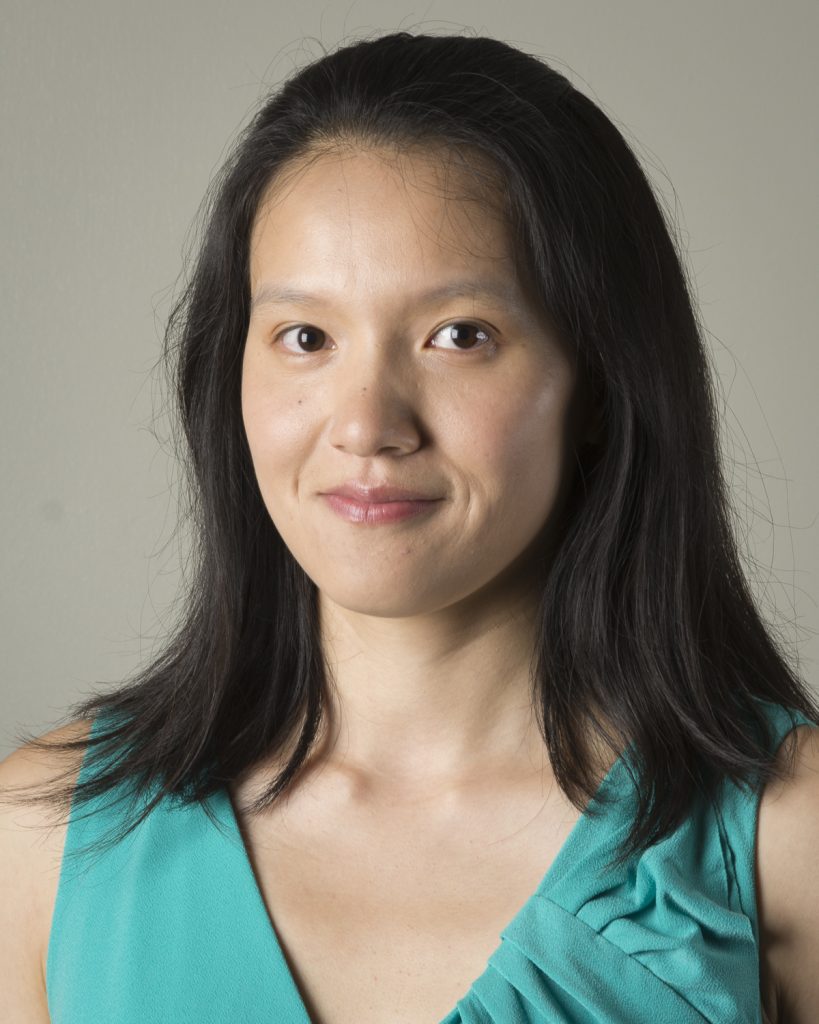
Dr. Jingjing Wang, PI.
Dr. Jingjing Wang is an Associate Professor of Economics at the University of New Mexico, specializing in environmental and natural resource economics. Her research focuses on the role of public policy in internalizing externalities and the performance of markets for efficient resource allocation in the context of environment, agriculture, and water. She uses quantitative tools such as integrated modeling, dynamic optimal control, and applied econometrics to solve real-world questions. Her research program is interdisciplinary and model-driven. Representative projects include urban water conservation, agricultural water management, livestock manure management coupled with bioenergy production, and controlled environment agriculture. Dr. Wang received her B.E. in Environmental Engineering from Tsinghua University, her M.S. in Environmental Science from the University of California – Riverside, and her Ph.D. in Environmental and Natural Resource Economics from the University of California – Riverside.

Carmela Rosaria Guadagno, PI.
Born and raised in Naples, Italy, I moved to Laramie in 2011 to work at UW after my PhD. Passionate about studying plant-environment interactions and phenotyping methods, I hold an academic home with the department of Botany. I consider myself fortunate to serve as the Director of the Plant Growth & Phenotyping Facility and for the Controlled Environment Agriculture (CEA) Center. In this role, I have the opportunity to lead the development of the strategic plans for the facility’s utilization and operations while actively facilitating and contributing to research initiatives in various CEA settings. Driven by a commitment to dynamic scientific collaboration and excellence, I actively foster cross-disciplinary activities and partnerships in CEA, guaranteeing effective communication beyond our campus.
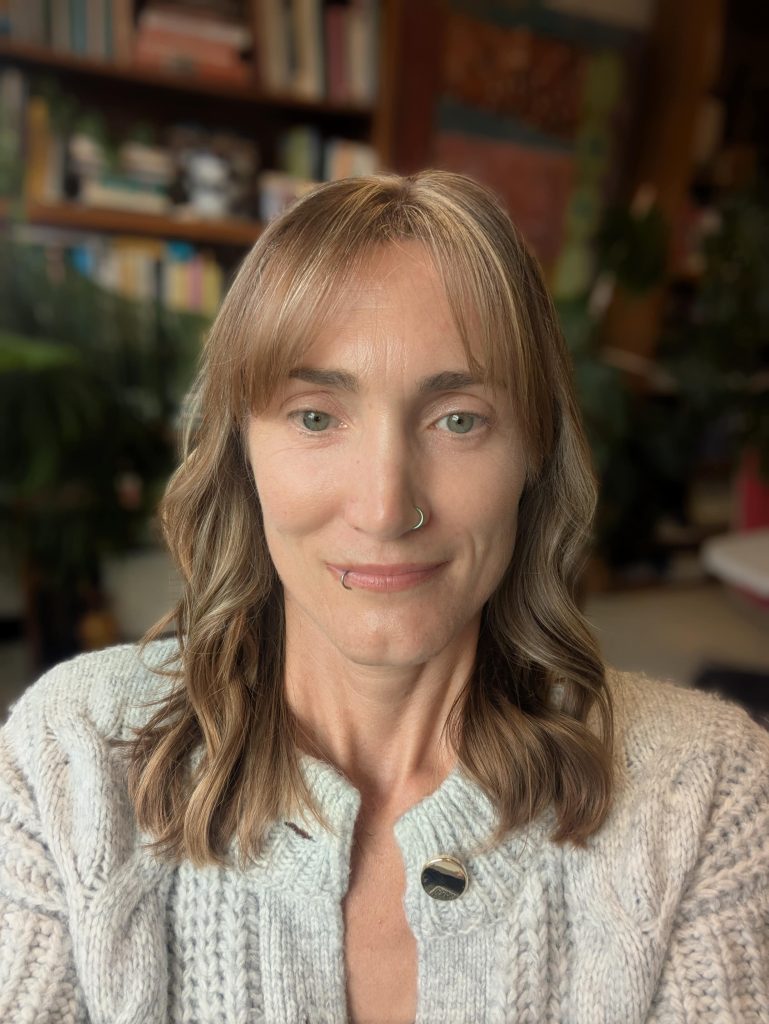
Meghann Jarchow, PI.
I understand sustainability as asking the questions “What kind of world do we want? and “How can we effect change to create that world?” I appreciate thinking about sustainability as a framework through which to make the world a better place because it is empowering and hopeful. My specific focus within the field of sustainability is on creating more multifunctional landscapes within the former tallgrass prairie region and in sustainability education. My focus on sustainability education stems from USD offering the only comprehensive (minor, major, MS, and PhD degrees) program in sustainability in the United States, and I would like to help USD continue to be leaders in the field of sustainability education.
Stephen Gómez, PI.
Stephen Gómez is a native New Mexican earning a B.S. degree in Biology from the California Institute of Technology and a Ph.D. in Molecular, Cell and Developmental Biology from the University of California, Los Angeles. Dr. Gomez is a two-time Ford Fellow; in biochemistry at UCLA and botany at U. of Wyoming. Currently, he is an assistant professor and Lead Faculty in Water Technologies, Algae Cultivation, and Sustainability at Santa Fe Community College. Dr. Gómez started his career in the biomedical field with appointments at the Dept. of Molecular Biotechnology, U. of Washington; Dept. of Oncology, Children’s Hospital of Los Angeles; Pasarow Mass Spectrometry Laboratory, David Geffen School of Medicine, UCLA; and the Respiratory Immunology and Asthma Program, Lovelace Respiratory Research Institute. Before joining the faculty at SFCC in 2014, he taught at UCLA, U. of Washington, U. of Wyoming, UNM and CNM. At SFCC he has developed a college curriculum for algae cultivation under contract to the DOE/Algae Foundation and helped establish the Controlled Environment Agriculture and Distributed Energy programs. He recently completed a term as a board member for the New Mexico Academy of Science and is currently working with the NM Environment Department to create a statewide curriculum for Water Technologies and Water Conservation.
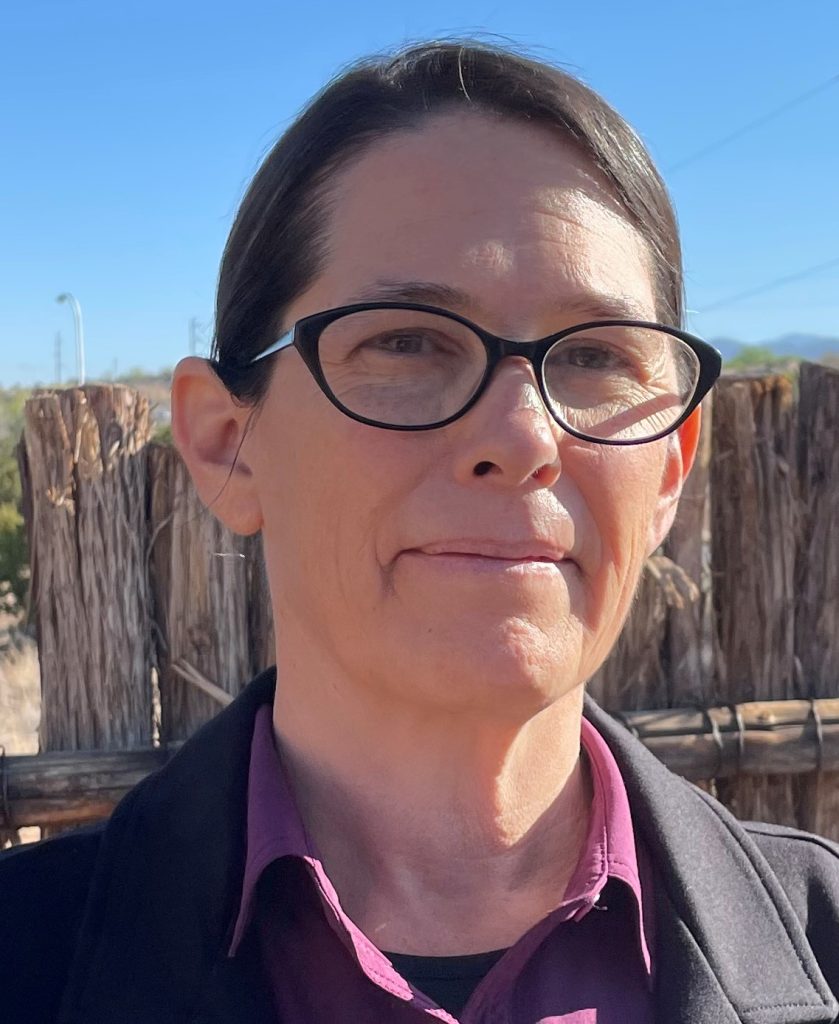
Ondine Frauenglass, Senior Personnel.
Ondine Frauenglass leads the SFCC Innovation Center, overseeing business partnership development, project management, and facilities coordination. Since stepping into the role in 2020, she has drawn on over a decade of experience in bioenergy and algae cultivation at both state and national levels. Her background also includes developing curriculum for two-year technical college programs, with a focus on emerging technologies and workforce readiness. Frauenglass holds a B.A. from St. John’s College in Annapolis, Maryland.
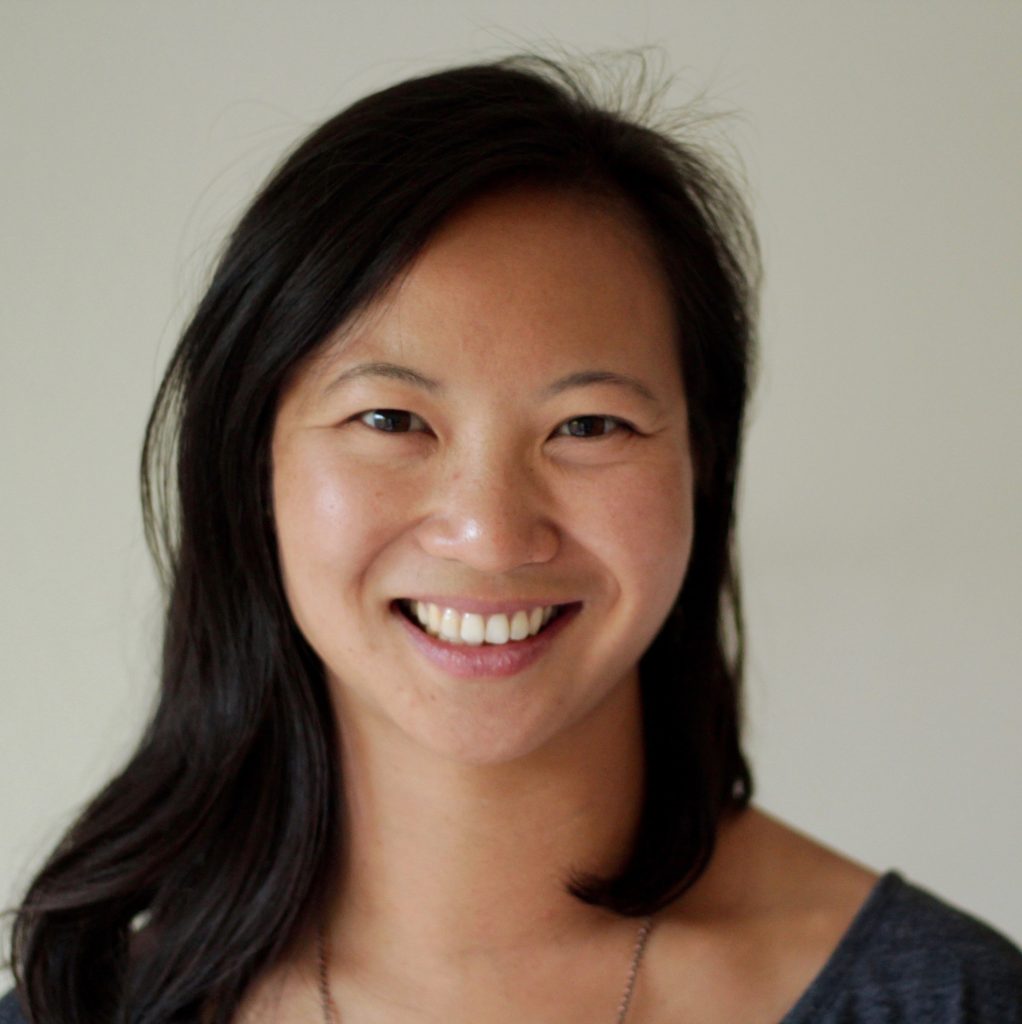
Dr. Yolanda Lin, Co-PI.
Dr. Yolanda Lin is an Assistant Professor in the Department of Geography and Environmental Studies at the University of New Mexico. Her research investigates systems at the intersection of natural, built, and social environments for a holistic understanding of natural hazards and disaster risk and resilience. Her interdisciplinary research program utilizes both qualitative and quantitative research methods, spanning computational modeling tools, systems thinking approaches, and science and art collaborations. She has a PhD in Civil Engineering from Cornell University.

Dr. Jill Fabricius Keith, Co-PI.
Jill Fabricius Keith, (PhD, Registered Dietitian) has worked in the field of nutrition in clinical, community, and foodservice capacities since 2000. Her experience in higher education began at a tribal college, then advanced to the university level with undergraduate students, and then to working with both undergraduate and graduate students and communities on research efforts to address health through nutrition. She has been working with students in these various capacities for the past 20 years and is strongly committed to providing a supportive learning environment to promote success and build future leaders in the field of nutrition. She received a MS in Education with a specialization in Post-secondary and Adult Education in 2009, and PhD in Exercise Science and Nutrition in 2016. Jill has been working with Human Nutrition & Food/Dietetic students at the University of Wyoming since 2016. Jill has been engaged in working with Indigenous communities and traditional diets since 2005. She has several publications focused on factors that influence human eating behaviors (including sensory characteristics of food), the impact of changing diet behaviors on health outcomes, addressing health and education disparities, improving healthy food access, and culturally relevant educational strategies. She is passionate about nutrition education and addressing health and education disparities through research. Since moving to Wyoming, she has been working with community members from the Wind River reservation on food sovereignty efforts focused on reclaiming Indigenous food and health and supporting educational pathways for Native American students.
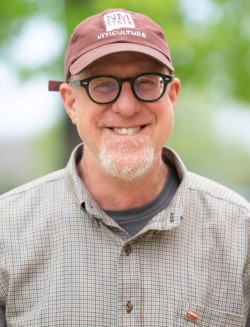
Kevin Lombard, PI.
I am a Professor of Horticulture in the Department of Plant and Environmental Sciences (PES) and Research Director of the NMSU Agricultural Science Center at Farmington (ASCF). The NMSU ASCF is uniquely located on land leased from the Navajo Nation. I have expertise in phytochemistry of fruits and vegetables, environmental soil chemistry soil health assessments following the Gold King Mine Spill of 2015, and specialty crops and cropping systems research, including medicinal herbs, viticulture and greenhouse management. I have experience in qualitative and quantitative surveys and have established networks of small-scale and large-scale producers in the Four Corners Region. I enjoy vinyl and playing musical instruments.

Dr. Cynthia Weinig, Co-PI.
Dr. Cynthia Weinig (PhD Ecology, Evolution, and Behavior, Indiana University). Wyoming Excellence Chair in Botany. Dr. Weinig is a Professor in the Departments of Botany and Molecular Biology, and in the Program in Ecology. Her research focuses on plant evolutionary genetics, that is, the genetic underpinnings of plant adaptation to natural or agricultural settings, and has received over $40M in funding from the National Science Foundation, including an early career NSF Young Investigator’s Award as well as collaborative institutional awards such as the NSF EPSCoR. Dr. Weinig’s current research focuses on the interaction between plants and microbes (microscopic organisms). Her research in both crop and wild plant species seeks to identify both the plant traits that may attract beneficial microbes as well as plant growth responses to the presence of microbes. Dr. Weinig’s lab has hosted over 100 undergraduate students to collaborate in research, including WY Research Scholars and McNair scholars, as well as dozens of graduate students and post-doctoral fellows. Dr. Weinig incorporates her interest and enthusiasm for plant-microbe interactions into undergraduate courses at the University of Wyoming, such as Genetics, and graduate courses in Plant Evolution of Development and Plant-Microbe Interactions.
Dr. David Hanson, Associate Vice President for Research, Co-PI.
Dr. Hanson received his Ph.D. in 1999, from the University of Wisconsin-Madison and he spent 2.5 years as a post-doctoral fellow at the Australian National University. He joined the faculty at the University of New Mexico in 2002, where his research focuses on physiological, ecological, and energy-related aspects of photosynthesis in plants and algae, particularly elements of the carbon reactions and water relations. Dr. Hanson has over 50 peer-reviewed publications, and has received multiple major grants from the National Science Foundation, the Department of Energy, the Advanced Research Projects Agency-Energy, NASA (for research on the International Space Station), and the Economic Development Agency. He regularly collaborates with Sandia National Labs and Los Alamos National Lab, and he has co-founded a start-up (Growvera, Inc.). In addition, he helps UNM students participate in the annual NASA MINDS challenge, leading them to two national grand championships in the first four years. His role in the Office of the Vice President for research is focused on external relations, building regional coalitions by working with local, state, federal and Tribal governments, along with regional educational and research institutions to find areas of alignment that can attract new resources and contribute to economic development. These efforts also include working to increase industry and private sector engagement with UNM through coordinated workforce training in the region, development of new internship opportunities, increasing industry sponsored research, and supporting IP/tech transfer efforts.
TRI-CEA Student Members
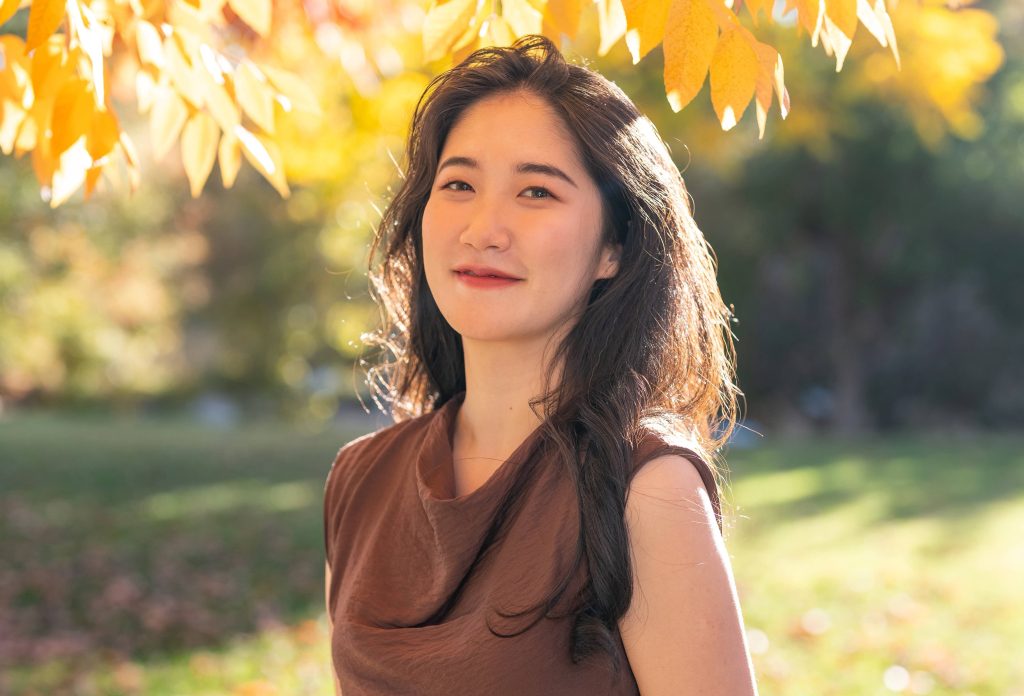
Ziqing Xie, Grad Student.
Hi, I’m Ziqing Xie, a 3rd year PhD student in economics from the University of New Mexico. I have been joining this project as RA since 2024, and participating in multiple projects in the UNM Social-economic team. Feel free to contact and talk about research in Natural Resources and Environmental Economics!
Glen Marshall, Grad Student.
Glen is a Ph.D. student in Sustainability. His research focuses on sustainable consumption, social entrepreneurship, and economic development in underserved, indigenous and rural communities. Before beginning his doctoral studies, Glen served for ten years as CEO of the Boys & Girls Club of Rosebud, where he worked on youth development and community-based initiatives. He recently earned his MBA with specializations in marketing and business leadership. Glen also serves as a business instructor at Sinte Gleska University. He is a husband, father, dog foster parent, coffee roaster, and nature enthusiast.
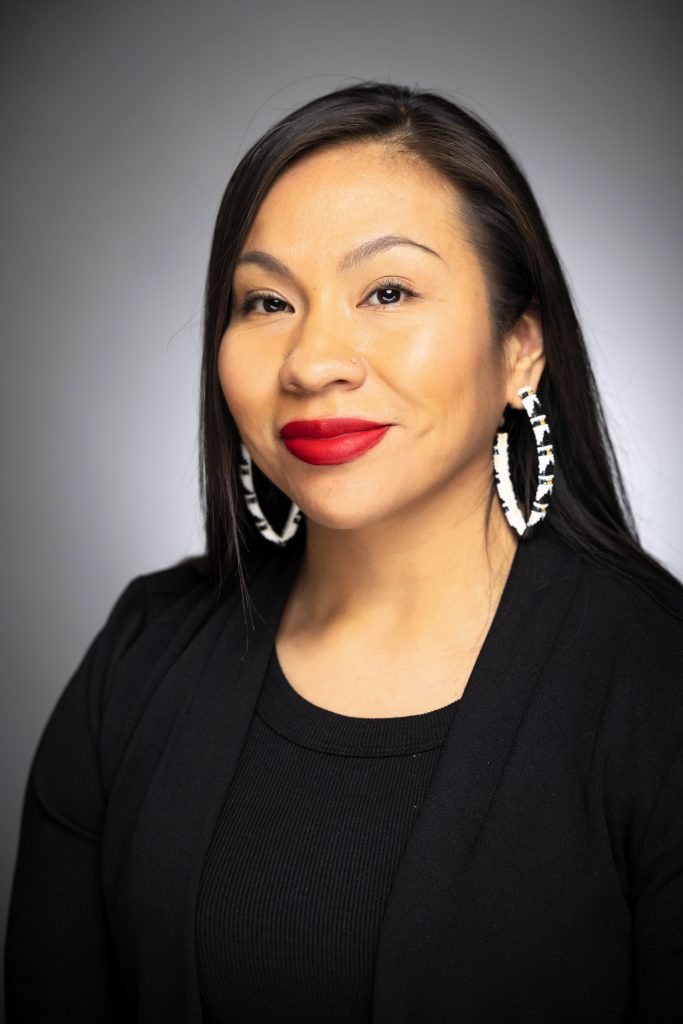
Denyse Ute, Grad Student.
Denyse Ute is a graduate research assistant, advisor Jill Keith; exploring how interconnected systems of knowledge; both Traditional Ecological and scientific; interact to inform sustainable food production, environmental resilience, and public health.
Brandon Francis, Grad Student.
Brandon Francis is a plant researcher whose family has stewarded corn in the Black Mesa, NM area for several generations. He began his work with sustainable food systems at the Old Fort Lewis in Hesperus, CO where he completed an internship and apprenticeship in sustainable agriculture methods. He has worked as a Research Laboratory Technician, Education Resource Coordinator and is currently a Graduate Research Assistant for NMSU at the Agricultural Science Center in Farmington, NM. As part of his research, he has been conducting high-elevation, Three Sisters experiments with seed varieties endemic to the Southwest, while deepening his connection to his Diné heritage through agriculture.
Jack McKinley, Grad Student.
I am a senior Energy Resource Management and Development student at the University of Wyoming with a focus on Energy and Environmental Systems. My hands on experience spans hydroponic plant care, data collection, and CAD based mechanical assembly for greenhouse research. I am passionate about optimizing controlled environment agriculture and greenhouse energy efficiency to support sustainable food production and energy solutions.
Isaiah Spiegelberg, Grad Student.
Master’s student in Botany at the University of Wyoming, specializing in Controlled Environment Agriculture (CEA).
Isaac Eastlund, Grad Student.
Assist CEA microbial projects as well as study the effects that microbes may have on plant circadian clock function.